


Current Developments in Space Capsule Technology and Applications
Space capsule technology has entered a new phase of development, driven by advancements in materials science, propulsion systems, and mission requirements. These self-contained spacecraft modules serve critical roles in crew transportation, scientific research, and cargo delivery. This article examines recent technological progress in space capsule design and its expanding range of applications in modern space operations.
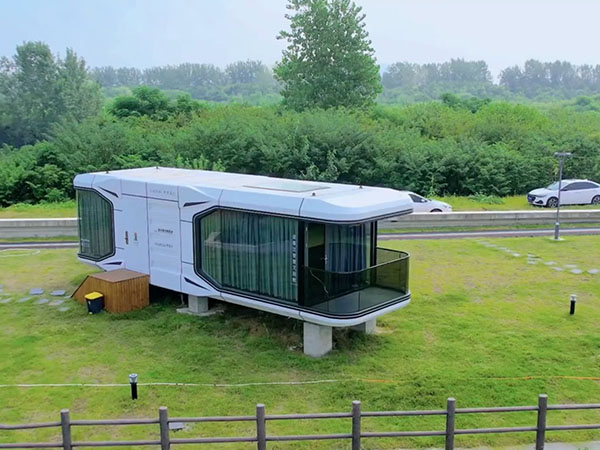
Structural Design Innovations
1.Advanced Pressure Vessel Construction
Utilization of high-strength aluminum-lithium alloys for primary structures
Implementation of composite sandwich panels for improved strength-to-weight ratios
Redesigned hatch mechanisms enabling faster crew egress during emergencies
2.Thermal Protection Systems
Next-generation ablative materials with predictable erosion characteristics
Modular heat shield designs allowing for post-flight inspection and replacement
Integrated thermal sensors providing real-time performance data during re-entry
3.Structural Testing Protocols
Full-scale pressure testing to 1.5 times operational limits
Vibration testing simulating launch and ascent profiles
Impact testing for landing system validation
Life Support and Crew Systems
1.Environmental Control Advancements
Compact CO₂ scrubbing systems with extended operational lifetimes
Humidity control systems maintaining 40-60% relative humidity
Redundant oxygen supply systems with automatic failure detection
2.Crew Accommodation Improvements
Adjustable seating configurations for varied mission profiles
Enhanced restraint systems reducing G-load impacts
Ergonomic control panel layouts improving operational efficiency
3.Emergency Systems
Upgraded fire suppression systems using non-toxic agents
Improved pressure suit compatibility for contingency operations
Redundant communication links for emergency situations
Propulsion and Navigation Systems
1.Attitude Control Developments
High-precision reaction control thrusters with variable thrust settings
Enhanced gyroscopic stabilization systems
Backup cold gas thruster systems for contingency operations
2.Guidance and Navigation
Multi-sensor fusion incorporating GPS, inertial, and star tracking systems
Autonomous landing zone selection algorithms
Precision parachute deployment systems
3.Recovery and Reusability
Modular designs facilitating post-flight refurbishment
Waterproofing systems for ocean landings
Quick-disconnect systems for rapid payload retrieval
Applications in Modern Space Operations
1.Crew Transportation Services
Routine astronaut transfers to orbital stations
Contingency return vehicles for orbital facilities
Short-duration scientific missions
2.Scientific Research Platforms
Microgravity experimentation modules
Biological sample return missions
Upper atmosphere research missions
3.Cargo and Payload Delivery
Pressurized equipment transport
Time-sensitive sample returns
Orbital resupply missions

Conclusion
Contemporary space capsule technology demonstrates significant advancements in structural integrity, crew safety, and operational flexibility. These developments have expanded the range of missions possible with capsule-based systems while improving reliability and performance. Continued refinement of these systems will further enhance their capabilities in supporting increasingly complex space operations.