


Technical Standards in Modern Door and Window Series Manufacturing
Modern door and window manufacturing has evolved significantly with advancements in materials science and production technologies. This article examines the key technical standards governing contemporary door and window series production, focusing on material specifications, performance requirements, and quality control measures that ensure product reliability and longevity.
Material Specifications
1.Frame Material Standards
Aluminum alloys must conform to EN 755 extrusion standards
Thermal break materials require minimum 24MPa shear strength
Steel components meet ASTM A653 galvanized steel specifications
2.Glazing Requirements
Tempered glass compliance with ANSI Z97.1 impact standards
Laminated glass interlayer thickness minimum 0.76mm
Insulating glass unit desiccant capacity for 30-year service life
3.Hardware Components
Hinges tested to 200,000 cycle durability standard
Lock mechanisms meeting ANSI/BHMA grade 1 security requirements
Weatherstripping materials with 15-year minimum lifespan
Performance Testing Protocols
1.Structural Integrity Testing
Uniform load deflection testing per ASTM E330
Ultimate strength testing to 1.5 times design load
Repeated operating force measurement per EN 13115
2.Environmental Resistance
Water penetration testing at 15% above design pressure
Air infiltration testing per ASTM E283 standards
Thermal cycling tests with 100 temperature cycles
3.Operational Testing
Mechanical durability testing of 10,000 operating cycles
Forced entry resistance testing per EN 1627 standards
Impact resistance testing for safety glazing compliance
Manufacturing Quality Control
1.Dimensional Tolerances
Frame straightness within ±1mm per linear meter
Opening dimensions within ±1.5mm of specified measurements
Hardware alignment within ±0.5mm tolerance
2.Assembly Standards
Corner joint strength testing to 1,500N/m
Glazing bite compliance with ASTM C1249 minimums
Sealant application per manufacturer specifications
3.Surface Treatment
Anodic oxidation coating minimum 15μm thickness
Powder coating adhesion per ASTM D3359
Color consistency testing with ΔE<1.0 variation
Installation Requirements
1.Structural Interface
Anchor spacing maximum 600mm for standard applications
Shim material compression resistance minimum 20MPa
Expansion joint sizing per ASTM E2112
2.Weatherproofing
Flashing integration per ASTM E331 requirements
Perimeter sealant joint design for 25% movement capacity
Weep hole placement at 400mm maximum spacing
3.Performance Verification
Post-installation water testing at design pressure
Operational force measurement verification
Final alignment inspection per project specifications
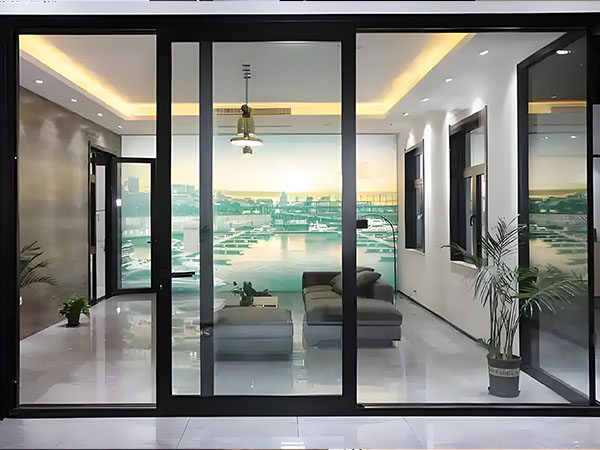
Conclusion
Modern door and window manufacturing maintains rigorous technical standards throughout material selection, production, and installation processes. These comprehensive requirements ensure products meet exacting performance criteria while providing long-term reliability. Continued refinement of testing protocols and manufacturing techniques will further enhance product quality in this essential building component sector.