


Innovative Curtain Wall Solutions for Modern Architecture
Curtain walls have become a defining feature of contemporary architecture, offering both aesthetic appeal and functional benefits. As building designs evolve, innovative curtain wall solutions continue to push the boundaries of what is possible in modern construction. This article explores some of the latest advancements in curtain wall systems, highlighting their role in enhancing architectural expression and performance.
1. High-Performance Glazing Systems
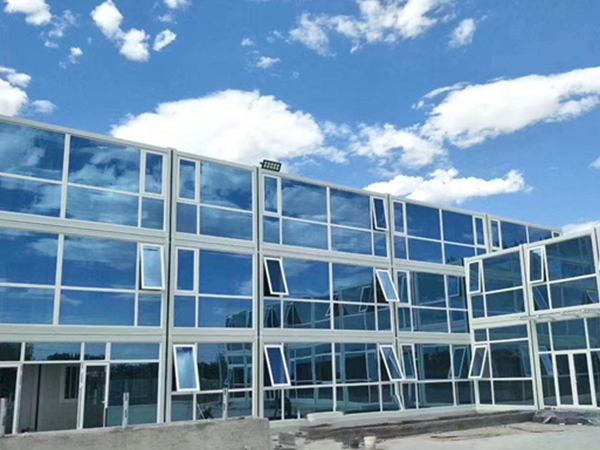
Modern curtain walls increasingly incorporate advanced glazing technologies that improve thermal efficiency and visual clarity. Double and triple-glazed units with low-emissivity coatings help regulate indoor temperatures while maintaining transparency. Additionally, dynamic glass solutions allow for adjustable tinting, providing control over natural light without compromising the building’s sleek appearance.
2. Unitized Curtain Wall Systems
Unitized systems offer a streamlined installation process, with pre-assembled panels fabricated off-site and delivered ready for mounting. This approach reduces construction time and enhances precision, ensuring consistent quality across large-scale projects. The modular nature of unitized systems also allows for easier maintenance and replacement of individual panels.
3. Structural Glass Facades
For architects seeking a minimalist aesthetic, structural glass facades provide a seamless, frameless appearance. Using point-supported glass systems or bonded glass technology, these solutions create the illusion of a fully transparent building envelope. The absence of visible framing enhances daylight penetration and offers unobstructed views, making them ideal for commercial and high-end residential projects.
4. Hybrid Material Combinations
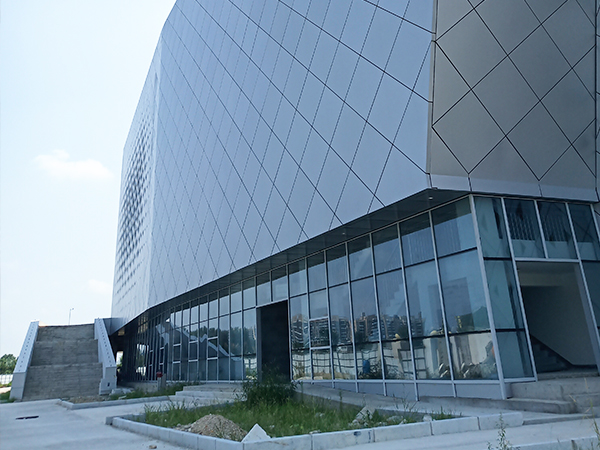
Innovative curtain walls now integrate multiple materials, such as glass, metal, and composite panels, to achieve unique design effects. Aluminum frames with integrated stone or terracotta cladding provide texture and depth, while maintaining structural integrity. These hybrid systems allow architects to balance aesthetics with performance, catering to diverse architectural styles.
5. Parametric Design Integration
Advances in digital modeling have enabled the use of parametric design in curtain wall systems. Computer-aided fabrication allows for complex geometric patterns and custom panel shapes, giving architects greater creative freedom. Parametric facades can adapt to varying sunlight angles, optimizing both form and function.
6. Smart Facade Technologies
The integration of smart technologies into curtain walls is transforming building functionality. Sensor-equipped facades can monitor environmental conditions and adjust shading or ventilation automatically. While not focusing on sustainability, these systems enhance occupant comfort and operational efficiency.
Conclusion
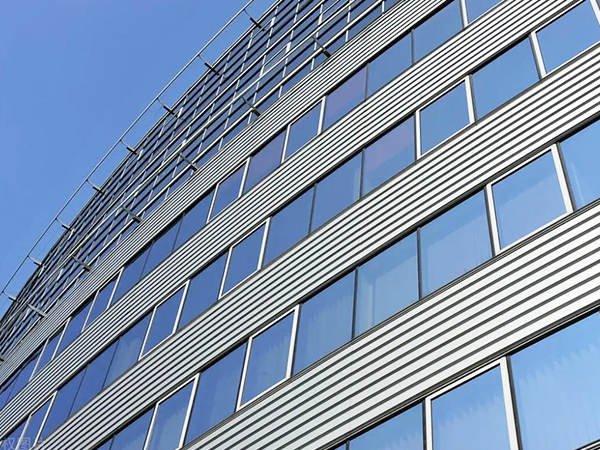
Innovative curtain wall solutions continue to redefine modern architecture by merging cutting-edge materials, advanced engineering, and creative design. From high-performance glazing to parametric facades, these systems offer architects new possibilities for crafting visually striking and high-performing buildings. As technology progresses, curtain walls will remain a key element in shaping the future of architectural design.