

Structural Glass Solutions with Exposed Frame Curtain Wall Systems
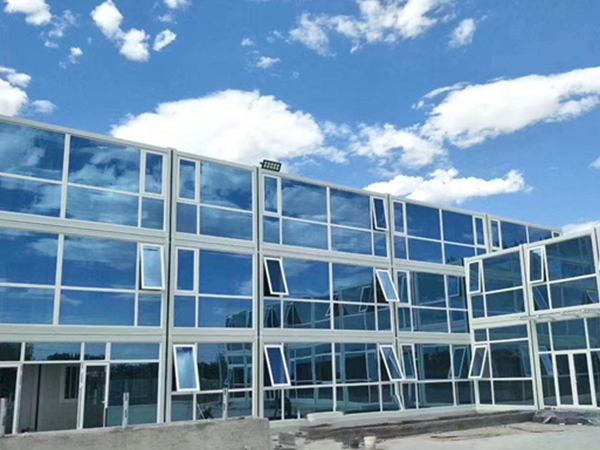
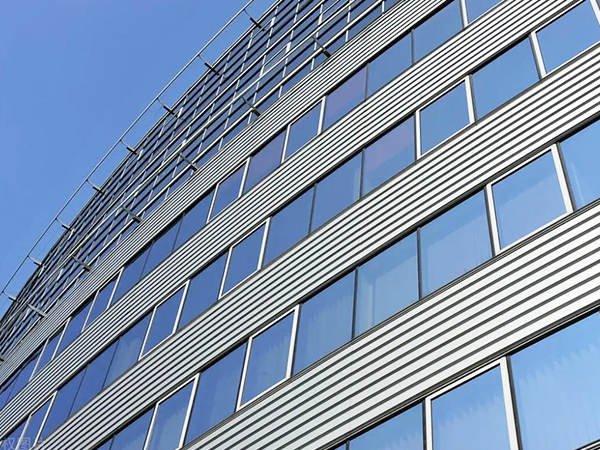
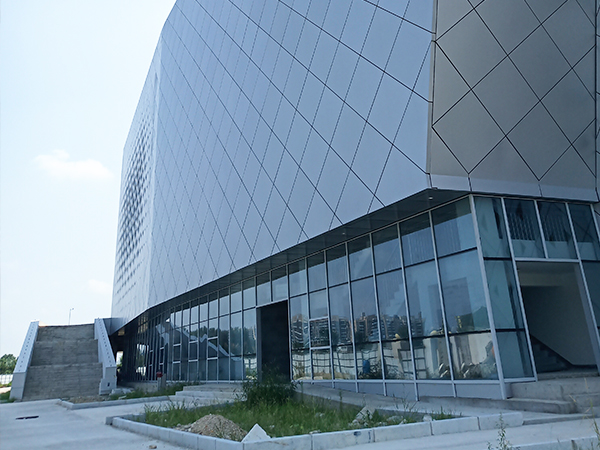
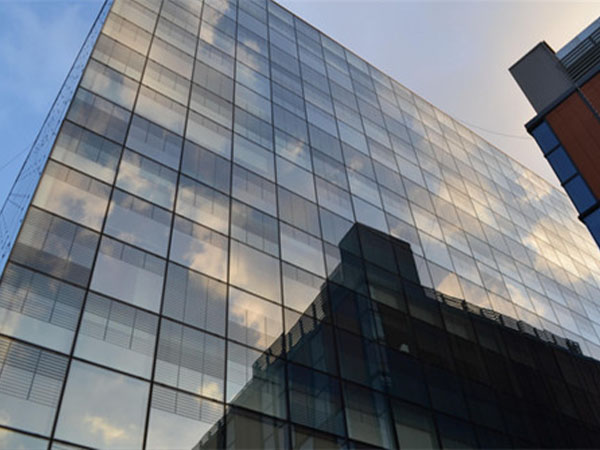
Exposed frame curtain wall systems represent a sophisticated balance between structural integrity and architectural expression. These systems combine the transparency of glass with visible metal framing to create facades that showcase both material honesty and technical precision. This article examines the design principles, engineering considerations, and practical applications of exposed frame structural glass systems in contemporary architecture.
Design Characteristics and Technical Advantages
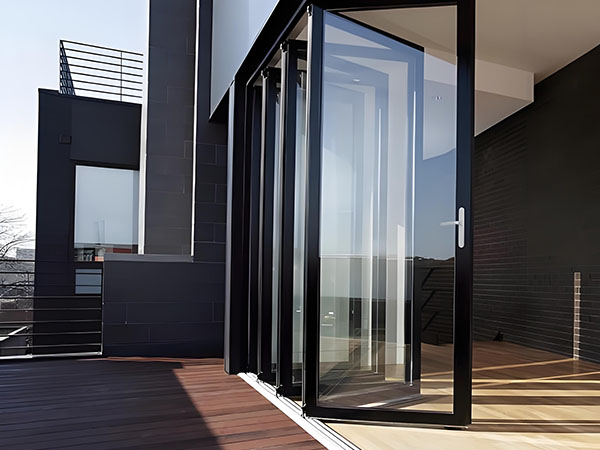
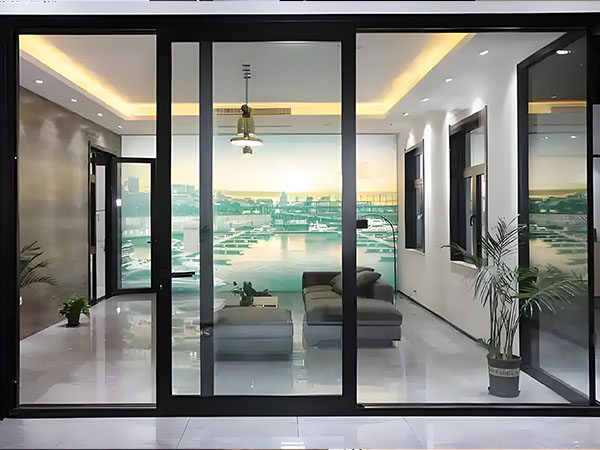
Visible Structural Framework
Architectural Honesty: The exposed metal framing provides clear visual expression of the structural system
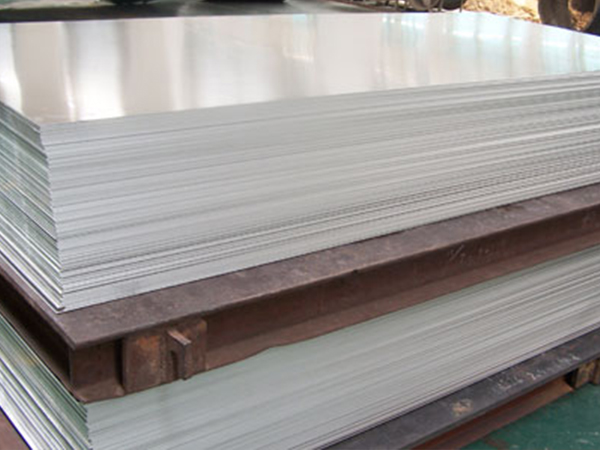
Design Flexibility: Available in various metal finishes including anodized aluminum, powder-coated, and stainless steel
Modular Coordination: Standardized framing dimensions enable efficient design repetition while accommodating custom configurations
Enhanced Structural Performance
Rigid Support System: Aluminum or steel mullions provide defined load paths for wind and gravity loads
Glass Retention Security: Mechanical pressure plates ensure positive glass retention under varying conditions
Thermal Movement Accommodation: Expansion joints and sliding connections compensate for material movement
Engineering and Installation Considerations
System Configuration Options
Stick-built Assembly: Field-installed components suitable for complex geometries and retrofit projects
Unitized Panel Alternative: Factory-assembled modules combining glass and framing for faster installation
Hybrid Approaches: Combination systems utilizing both methods for optimal project efficiency
Performance Optimization
Weather Barrier Integration: Multi-stage sealing systems with internal drainage provisions
Thermal Enhancement: Thermal break technology in metal framing reduces conductivity
Acoustic Control: Laminated glass configurations with varying interlayer thicknesses
Material and Finish Selection
Glass Options
Monolithic Tempered: Single-layer heat-treated glass for basic applications
Insulated Units: Dual-pane assemblies with sealed air spaces
Laminated Varieties: Polyvinyl butyral interlayers for enhanced safety
Metal Framing Finishes
Anodized Coatings: Durable oxide layer for corrosion resistance
Powder Coat Applications: Color-stable polymer finishes in custom hues
Natural Metal Finishes: Brushed or polished stainless steel alternatives
Practical Applications
Exposed frame structural glass systems are effectively employed in:
Corporate office buildings
Educational facilities
Transportation terminals
Retail and mixed-use developments
Conclusion
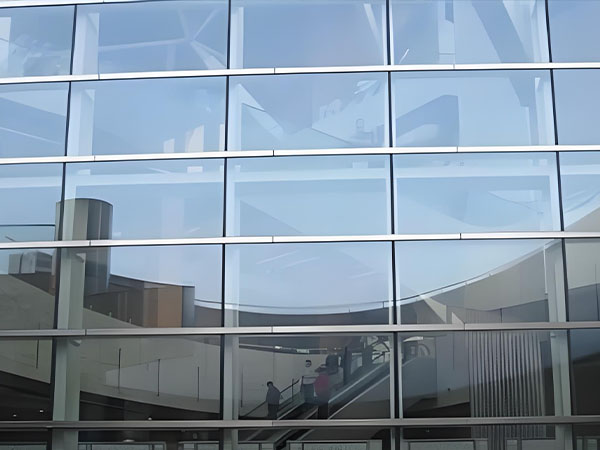
Exposed frame curtain wall systems offer architects and engineers a versatile solution that combines structural clarity with design flexibility. The visible framework provides technical reassurance while allowing for creative expression through material selection and detailing. These systems continue to demonstrate their relevance in architectural projects where the interplay of transparency and structure is desired, delivering reliable performance without compromising aesthetic intent. Ongoing advancements in glass technology and metal fabrication ensure these systems maintain their position as a fundamental choice for building envelopes.