


Technical Developments in Concealed Frame Glass Curtain Wall Systems
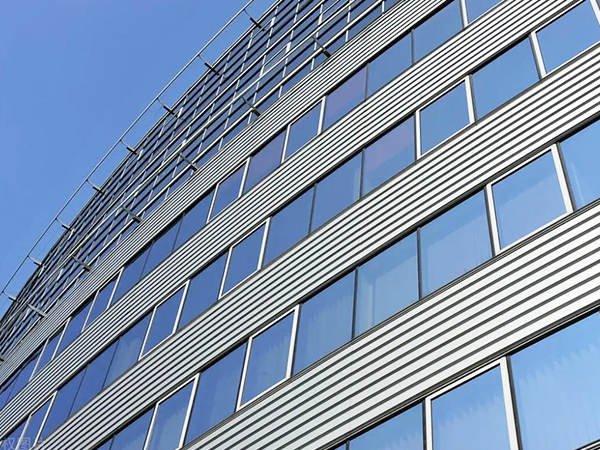
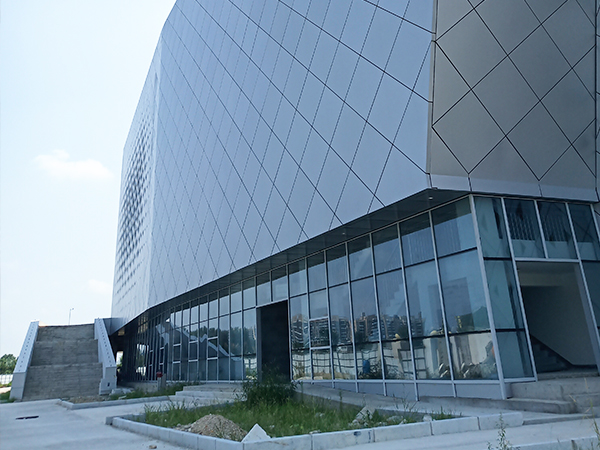
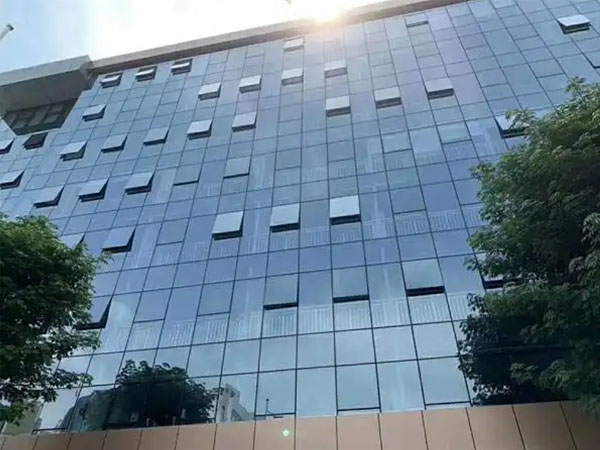
Concealed frame glass curtain wall systems have become a prominent feature in modern architecture, offering aesthetic appeal and functional benefits. Recent technical advancements have enhanced their performance, durability, and installation efficiency. This article explores key developments in materials, structural design, and installation techniques that have contributed to the evolution of concealed frame glass curtain wall systems.
Material Innovations
1.High-Performance Glass
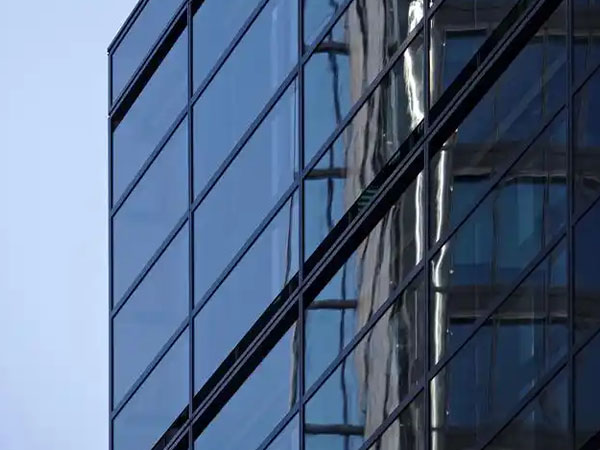
Advances in glass manufacturing have led to improved thermal insulation, soundproofing, and impact resistance. The use of low-emissivity (Low-E) coatings and laminated glass enhances energy efficiency while maintaining transparency.
2.Lightweight Aluminum Alloys
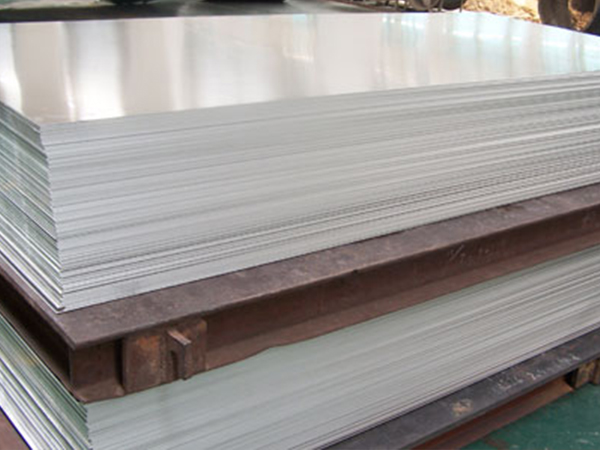
Modern concealed frame systems utilize high-strength aluminum alloys with improved corrosion resistance. These materials reduce structural weight while maintaining stability, allowing for larger glass panels and slimmer profiles.
3.Advanced Sealants and Gaskets
New formulations of silicone sealants and EPDM gaskets provide better waterproofing and weather resistance, extending the lifespan of curtain wall systems.
Structural Design Improvements
1.Modular Prefabrication
Pre-assembled units streamline on-site installation, reducing construction time and labor costs. Modular designs also improve precision and minimize potential installation errors.
2.Enhanced Load Distribution
Improved structural calculations and finite element analysis (FEA) optimize load-bearing capacity, ensuring stability under wind pressure, seismic activity, and thermal expansion.
3.Concealed Fastening Systems
Hidden brackets and mechanical anchors enhance visual continuity while maintaining structural integrity. These systems reduce visible joints, contributing to a seamless appearance.
Installation and Maintenance Advancements
1.Precision Alignment Techniques
Laser-guided installation ensures accurate panel positioning, reducing gaps and improving overall system performance.
2.Accessible Maintenance Solutions
Integrated access systems, such as hidden maintenance platforms, facilitate cleaning and repairs without compromising aesthetics.
3.Automated Inspection Tools
Drones and infrared imaging assist in detecting insulation gaps or structural weaknesses, improving long-term maintenance efficiency.
Conclusion
The continuous refinement of concealed frame glass curtain wall systems has expanded their application in contemporary architecture. Through material enhancements, structural optimizations, and improved installation methods, these systems offer both functional reliability and visual elegance. Future developments are expected to further refine performance while adapting to evolving architectural demands.